Unearthed Arcana: Villainous Options
Table of Contents
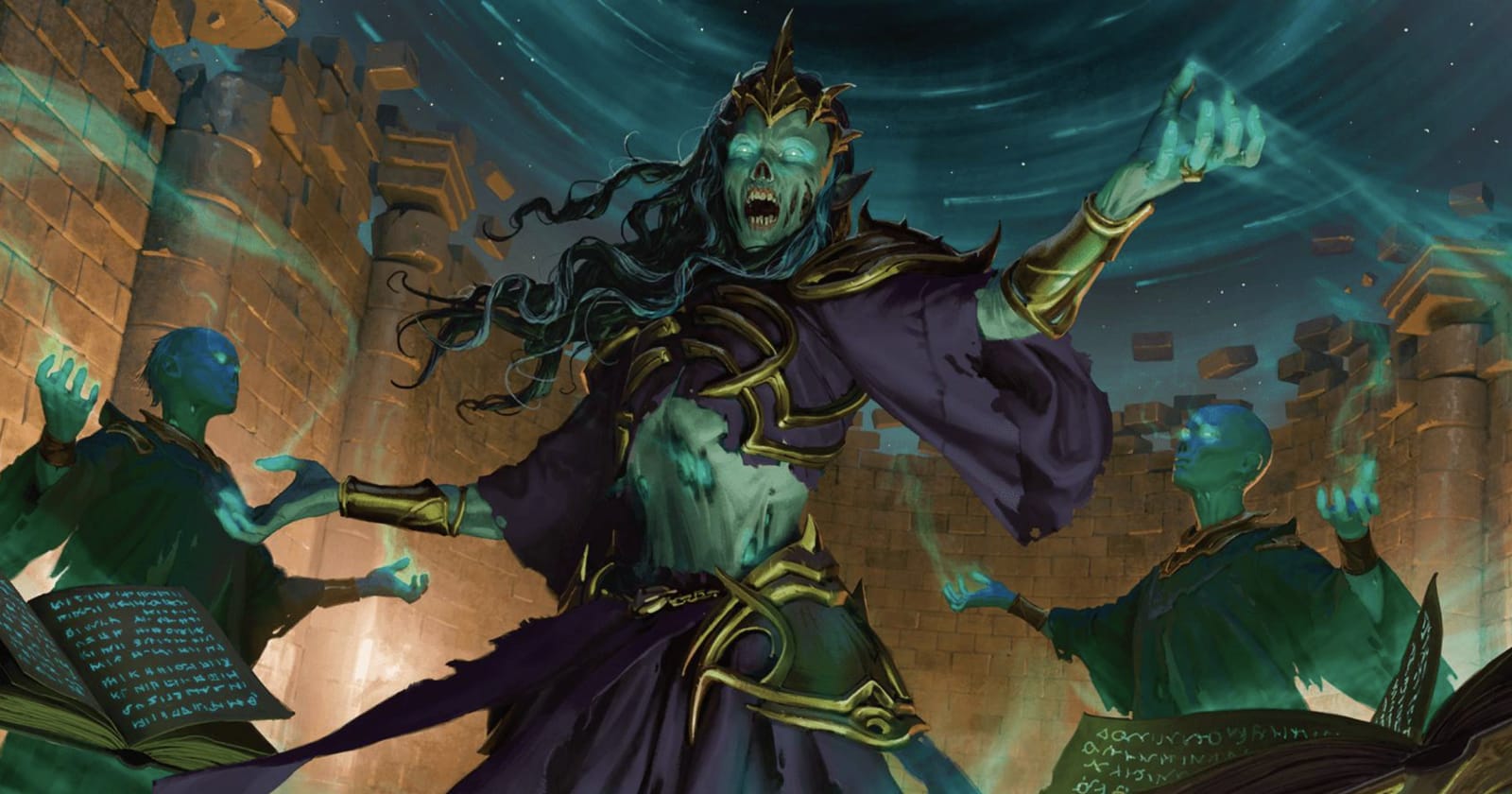
Get down with your bad self as we explore Villainous Options. This Unearthed Arcana features four new subclasses and two paths of villainy. These options encourage players to embrace their inner antiheroes and harness forces of evil, though characters who walk these paths can be of any alignment. Call on these forbidden powers—of demons and decay, titanic might, and wounding hellfire—in defense of civilization…or use them to hasten its destruction.
Unearthed Arcana is Dungeons & Dragons playtest material: an early look at ideas the designers are actively shaping before final publication. Think of it as a first draft of upcoming player options. Sometimes a UA receives a revised version later, and sometimes it does not, but each release gives players a chance to see where the design team is experimenting and what kinds of themes they want to push next.
That is part of why these documents are so fun to read. Beyond the mechanics themselves, they give us a glimpse into the design process. Villainous Options is an especially flavorful example of that. Between plague-ridden clerics, kaiju-sized druids, infernal fighters, abyss-touched sorcerers, and full feat paths toward becoming a death knight or a lich, this UA leans hard into dark fantasy in a way that feels immediately evocative.
Subclasses
Pestilence Domain (Cleric)
A Cleric of the Pestilence Domain heralds gods of disease, famine, poison, and decay, unleashing plague as an act of devotion. The Pestilence Domain grants access to spells that detect and guard against poison, sicken others, cause crops to wither, and summon insects. Its unique Channel Divinity effect, Plague Blessing, turns the Cleric or an ally they touch into a conduit for pestilence, conferring Exhaustion to nearby enemies. When enemies perish, Clerics of this domain can cause them to burst with plague and spread one of two potent contagion effects. At the height of this subclass’s power, the Cleric can shape-shift into a swarm of plague-ridden pests to terrorize foes.
This is an immediately striking subclass. The flavor is strong, but what really stands out to me is that it appears to give Exhaustion a more meaningful place in play. That is a mechanic that has often felt underused across both 5e and the 2024 rules, so seeing a subclass lean into it this directly is exciting. If Wizards continues exploring more effects and abilities that interact with Exhaustion, this domain could end up feeling genuinely fresh instead of just grim for the sake of it.
Circle of the Titan (Druid)
Sometimes, the best way to fix a problem is to tear it down. Druids of the Circle of the Titan do just that, growing to seismic proportions to wreak colossal havoc. This Druid can use Wild Shape to take on one of three monstrous Titan Forms: a structure-stomping Behemoth, a waste-spewing Leviathan, or a healing Insectoid. These forms improve in size and might as the Druid gains levels, bringing greater destruction to their surroundings. At level 14, Druids of this circle can grow to Gargantuan size and swallow enemies whole.
This one is impossible not to picture in motion. Turning into basically Godzilla and stomping across the battlefield sounds ridiculous in exactly the right way. It feels cinematic, easy to visualize, and like the kind of subclass that would create memorable table moments whether you run combat on a map or in theatre of the mind. On pure flavor alone, this might be my favorite of the four.
Hell Knight (Fighter)
Anointed champions of the Nine Hells, Hell Knights imbue their weapons with hellfire, transforming them into glowing Hellfire Weapons. With a Hellfire Weapon, the Fighter can deal Fire damage and inflict debilitating and persistent Infernal Wounds. At higher levels, a Hell Knight can superheat their armor to erupt with hellfire, their attacks overcome Fire Resistance, and Infernal Wounds deal explosive damage whenever the Fighter rolls a 6 on their Infernal Wound Die. By level 18, the Hell Knight can turn bad luck into good fortune, representing the infernal deals that devils offer mortals.
I love this concept. Fighter is already one of my favorite classes because the base chassis is so dependable, and subclasses can radically change how it feels at the table. Hell Knight reads like a great example of that. The fire-resistance bypass is especially important because it would feel terrible for an infernal subclass to be weakest against the kinds of enemies it is thematically built to face. My first thought was Baldur’s Gate: Descent into Avernus: if you are going into Hell with a hellfire-themed fighter, your signature damage type needs to hold up. The level 18 “turn bad luck into good fortune” feature is also intriguing, because it sounds like it could capture the bargain-making flavor of devils in a very mechanical way.
Demonic Sorcery (Sorcerer)
Demonic Sorcery embodies the corruptive magic of demons. Sorcerers of this subclass use their own bodies as conduits for the wicked powers of the Abyss. Early on, this energy ruptures out from the Sorcerer in bursts, which the Sorcerer can use to reel in enemies and protect against attacks. Eventually, this unstable magic radiates from the Sorcerer as an Abyssal Aura, corrupting reality around them and bringing the Abyss to their surroundings. Enemies caught in this Emanation must contend with caustic ooze, mind-affecting spores, and other effects inspired by the infinite layers of the Abyss. The spells included in this subclass also take inspiration from these layers and the demon lords who rule them; Confusion, for example, takes inspiration from Demogorgon’s gaze, while spells like Detect Magic and Dispel Magic appear in the stat blocks of many demon lords.
I like the distinction here between infernal power and abyssal power. We already have fiend-adjacent options in the game, so it is nice to see a subclass that more specifically leans into the chaos and corruption of the Abyss. Right now this is the one I have the hardest time fully visualizing from the preview text alone, so I will need the full PDF to really judge it. Even so, I do appreciate the spell choices and I am generally in favor of subclasses getting flavorful always-prepared spells, even when those spells are not all obvious top-tier picks. The subclass features are the real draw; the spell list should support the theme rather than just chase raw optimization.
Villainous Paths
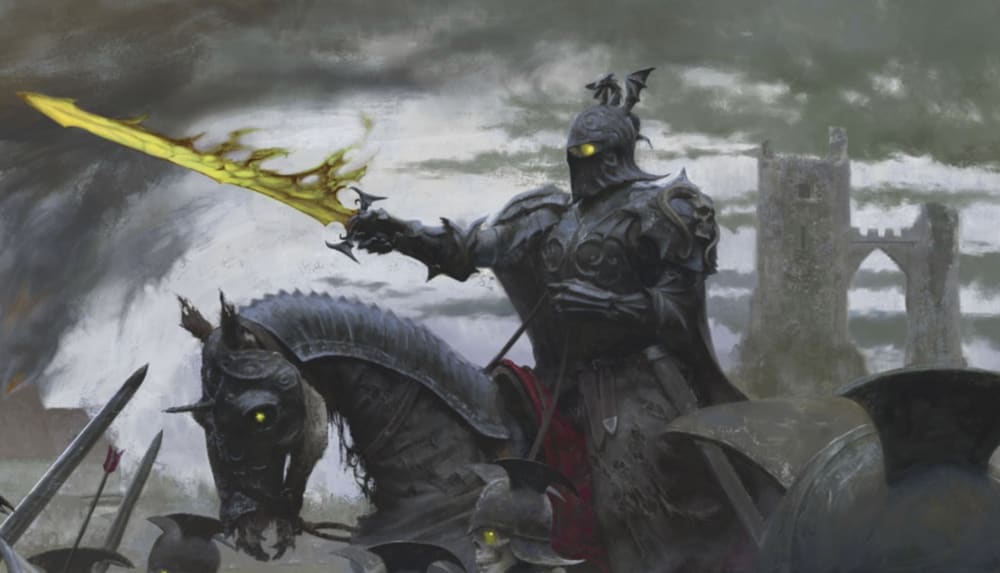
Two villainous paths offer new ways for characters to become icons of evil. Each path presents a selection of feats that allow a character to transform themself into a death knight or a lich. The Path of the Death Knight appeals to martial characters, while the Path of the Lich might attract spellcasters.
Path of the Death Knight
Feats associated with the Path of the Death Knight bolster the character’s Strength and Charisma—necessary abilities for an imposing undead warrior. The character’s vile power is represented by Death Points: a resource that can be expended to cast spells such as Wrathful Smite, Command, and Bane with augmented effects. A character who completes this path is inured to mortal vulnerabilities like poison and exhaustion, and the character can hurl exploding hellfire orbs at foes.
This is the part of the UA that most immediately grabbed me. A feat path that gradually turns a martial character into a death knight is a very cool idea. I am curious how restrictive the ability score boosts will feel, because Strength and Charisma are a natural fit for paladins but a more awkward mix for many other martial builds. Even so, the larger idea works for me. If this path really is a sequence of feats that progressively locks in a dark transformation, that opens up a different style of character customization and roleplay than we usually get.
Path of the Lich
Lichdom isn’t just for wizards; any character with the Spellcasting or Pact Magic feature can walk the Path of the Lich. The first feat in this path, Lich Initiate, grants the character a spirit jar, a magical vessel unique to them that anchors their soul to the world of the living. This spirit jar allows the spellcaster to consume the souls of Humanoid enemies and use that energy to bolster their own arcane power. Much like the lich they aspire to be, the character doesn’t need to carry their spirit jar with them to benefit from it. When the character finally ascends to lichdom, they become a fearsome being impervious to death—so long as they safeguard their spirit jar from would-be heroes!
I think this one is especially interesting because it pushes beyond the usual “wizard only” image of lichdom. Tying the transformation to a spirit jar is exactly the kind of iconic detail I want from something like this, and making that vessel central to the character’s power creates instant story hooks. More broadly, both villainous paths feel like a strong design idea. They add a new layer of long-term character progression that is not just about subclass choice, and that has a lot of potential for both customization and roleplay.
Overall, this is one of the more exciting Unearthed Arcana releases in a while. The first three subclasses made a strong impression on me right away, and while I need to read the full PDF to get a firmer read on Demonic Sorcery, the entire package looks promising. More than anything, I like that Villainous Options is not timid. It knows the fantasy it wants to sell, and it commits to it.
Original D&D Beyond post here. Wizards is opening the feedback survey for this UA on April 9, so it is worth filling out once it is live. Playtest material only gets better when players respond to what works, what does not, and what still needs another pass.
Up next
Next, I’ll be taking a closer look at each character option from this Unearthed Arcana. That means a separate article for each of the four subclasses, as well as both villainous paths, where I’ll share my impressions, honest opinions, and a deeper review of how each one looks so far.
See you next time. Cheers.